
Quick Answer
Ibogaine is a naturally occurring psychoactive alkaloid extracted from the root bark of the Tabernanthe iboga plant, native to Central West Africa.
Used for centuries in Bwiti spiritual traditions, it is now recognized in modern medicine for its ability to interrupt opioid addiction, suppress withdrawal symptoms within 24-48 hours, and promote neuroplasticity the brain’s capacity to form new neural connections. Current clinical research, including a landmark $50 million Texas state-funded trial (2025-2027), is investigating its potential for opioid use disorder, PTSD, and traumatic brain injury.
Table of Contents
- What Is Ibogaine? The Plant, the Compound, and the History
- The Pharmacology: What Ibogaine Does in Your Brain
- Ibogaine Therapy: What Happens During Treatment
- The Evidence: What the Science Says
- Treatment Centers, Costs and Safety Standards
- Ibogaine vs. Other Psychedelic Therapies
- The Legal Landscape in 2025
- The Neuroscience Connection: Ibogaine and the Biocybernaut Perspective
- Frequently Asked Questions
1. What Is Ibogaine? The Plant, the Compound, and the History
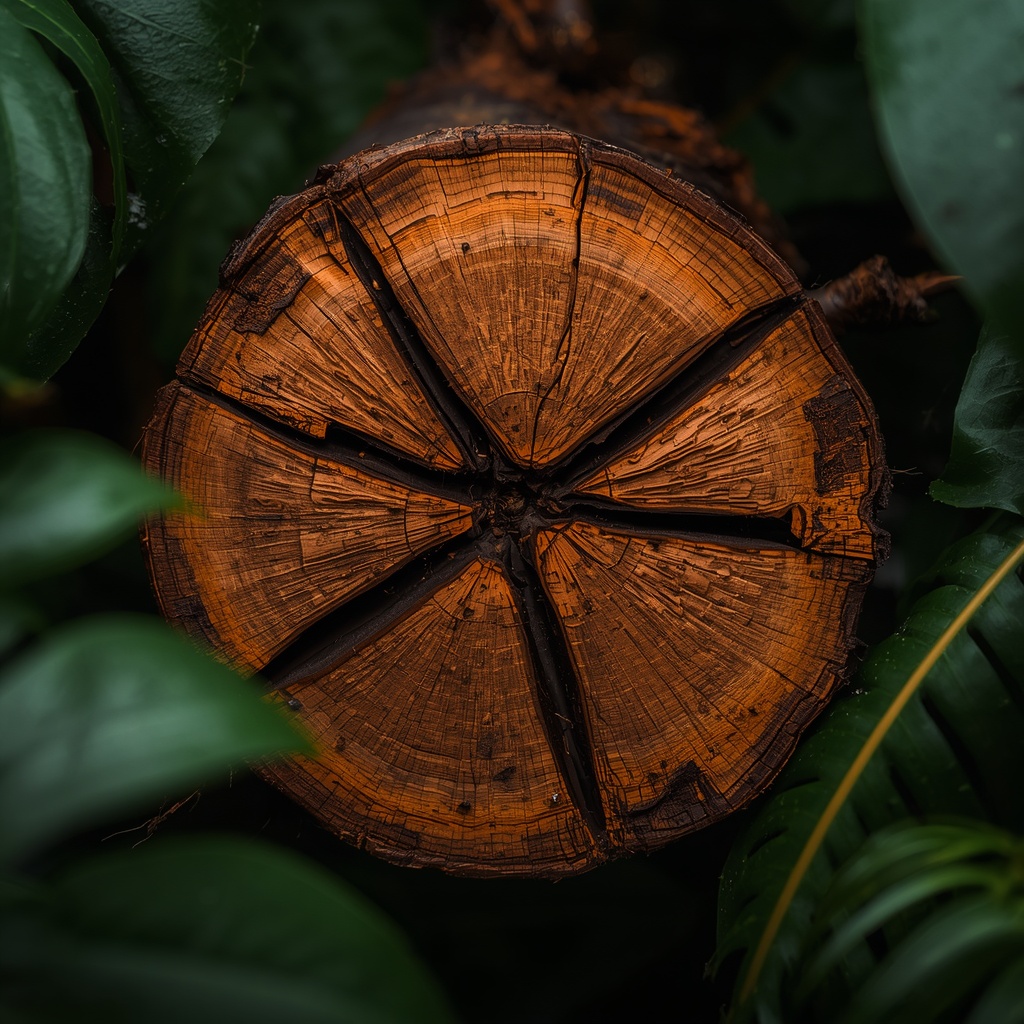
Ibogaine is an indole alkaloid found primarily in the root bark of Tabernanthe iboga, a shrubby plant native to the rainforests of Gabon, Cameroon, and the Republic of Congo in Central West Africa. While “ibogaine” is relatively new to mainstream consciousness, the plant it comes from, simply called iboga, has been central to Bwiti people’s spiritual and healing traditions for centuries.
To the Bwiti, iboga is not a drug. It is a teacher. The plant spirit is believed to reveal truth, confront trauma, and restore moral alignment within the community. In initiation ceremonies, high doses are administered over multi-day rituals to guide participants through visions, ancestral encounters, and profound psychological reckoning.
The primary psychoactive compound, ibogaine, was first isolated by French and Belgian chemists in 1901. For decades, it was sold in France as a low-dose energy and anti-fatigue stimulant. It was not until the 1960s that a New York heroin addict named Howard Lotsof accidentally discovered its anti-addictive properties after a single dose eliminated his opioid cravings for weeks, quietly launching one of the most compelling sagas in modern neuropharmacology.
Ibogaine at a Glance
Ibogaine vs. the Full Iboga Alkaloid Complex
It is important to distinguish between ibogaine (the isolated compound) and the full-spectrum iboga root bark, which contains over a dozen alkaloids, including voacangine, ibogamine, and tabernanthine. Many treatment providers now advocate for the full-spectrum “total alkaloid” extract, arguing it is safer and more clinically nuanced, though most current research focuses on isolated ibogaine hydrochloride.
Understanding the Neuroplasticity Connection
The science of ibogaine overlaps deeply with Biocybernaut’s own research mission. Just as Alpha Neurofeedback Training works by giving your brain a real-time feedback loop, it never had dissolving decades of limiting Beta wave patterns. Ibogaine creates a rare pharmacological window of neuroplasticity where the brain can reorganize itself. Both approaches share the same foundational truth: you cannot change what your brain cannot see.
2. The Pharmacology of Ibogaine: What the Drug Actually Does in Your Brain
To understand why ibogaine is generating such intense scientific and policy attention, you must understand what it does at the neurochemical level. Unlike most psychedelics, which work primarily through the serotonin 2A receptor, ibogaine operates across multiple systems simultaneously. Researchers call this its “matrix pharmacology.”
| Receptor / System | Ibogaine’s Action | Effect on the Brain |
|---|---|---|
| NMDA Glutamate Receptors | Antagonist (blocker) | Interrupts compulsive memory loops; reduces withdrawal discomfort |
| Opioid Receptors (kappa/mu) | Modulation and normalization | Dramatically reduces opioid withdrawal symptoms within 24-48 hours |
| Dopamine Transporter (DAT) | Inhibition and reset | Restores dopamine signaling disrupted by substance use |
| Serotonin System (SERT) | Reuptake inhibition | Mood stabilization, psychological insight, emotional processing |
| GDNF / BDNF Growth Factors | Upregulation | Promotes neuroplasticity, new neural connections, and pathway repair |
| Sigma Receptors | Agonist activity | Contributes to psychoactive and visionary experience |
The “Neural Reset” Hypothesis
The concept that excites researchers most is ibogaine’s proposed ability to trigger a neurobiological reset. The hypothesis supported by preclinical and emerging clinical data holds that ibogaine’s combined effects on multiple neurotransmitter systems create a temporary window of heightened neuroplasticity: a state where the brain can rapidly reorganize itself, break compulsive circuits, and form new, healthier behavioral pathways.
Researchers have proposed that ibogaine promotes neuroplasticity by altering the expression of growth factors GDNF and BDNF in brain regions involved in dopamine signaling. A neuroimaging study published in iScience (February 2026) found increased cortical thickness in 11 brain regions and an average reduction in predicted brain age of approximately 1.3 years at one month post-treatment.
What Is Ibogaine’s Street Name?
In informal contexts, ibogaine and iboga-derived substances are sometimes called “boga” or simply “iboga.” In clinical settings, the pharmaceutical form is ibogaine hydrochloride (ibogaine HCl). The active metabolite, noribogaine, is studied independently for its extended mood-stabilizing and craving-reduction effects, which can persist for days to weeks after a single treatment.
Curious how Biocybernaut’s neurofeedback achieves a similar brainwave reset without pharmacology?
3. Ibogaine Therapy: What Actually Happens During Treatment?
Ibogaine therapy is unlike any other therapeutic experience. Under proper medical supervision, a single administration typically unfolds across 24 to 36 hours in four distinct phases.

Onset (0-2 Hours)
Effects begin within 45-90 minutes after dosing. Users commonly report a buzzing or vibratory sensation, intensification of sounds, and the beginning of visual phenomena. The experience is dreamlike but lucid, more akin to REM sleep than classic psychedelic hallucinations.
Acute Psychoactive Phase (2-12 Hours)
Users may enter a “waking dream,” a powerful stream of autobiographical memories, symbolic imagery, and emotional reckonings. Many report reviewing life events with new clarity and gaining insights into the root causes of addictive behaviors. Unlike other psychedelics, ibogaine’s visionary content is often described as documentary rather than distorted a revelation, not an illusion.
Reflection and Resolution (12-24 Hours)
The visionary phase fades into prolonged introspection and gradual clarity. The brain’s neurochemical reset is underway. Withdrawal symptoms from opioids, which would otherwise peak painfully, are dramatically reduced or entirely absent during this window.
Post-Acute Integration (Days to Weeks)
The metabolite noribogaine continues producing mood-stabilizing and craving-reduction effects for days to weeks. This window is critical for integration therapy, lifestyle restructuring, and community support that anchors the neurological changes into lasting behavioral shifts.
4. The Evidence: What Does the Science Say About Ibogaine?
For decades, ibogaine research was hampered by its Schedule I classification in the United States. But the evidence base has grown rapidly through observational studies, international research, and now a major government-funded push.
Reduction in PTSD symptoms, Stanford veteran study, Nature Medicine 2024
Texas IMPACT trial largest government ibogaine investment in history
Avg. reduction in predicted brain age 1 month post-treatment iScience, Feb 2026
| Study / Source | Key Finding | Significance |
|---|---|---|
| Stanford / Nature Medicine (2024) | 88% PTSD reduction, 87% depression, 81% anxiety in Special Operations veterans at 1 month | Landmark study; directly influenced Texas $50M funding decision |
| Stanford / iScience (Feb 2026) | Increased cortical thickness in 11 brain regions; ~1.3-year reduction in predicted brain age at 1 month | First neuroimaging evidence of structural brain changes from ibogaine |
| Texas IMPACT Program (2025-2027) | $50M multicenter trial for OUD, PTSD, TBI, UTHealth Houston and UTMB Health across 10+ institutions | Largest U.S. government investment in ibogaine research in history |
| Observational Studies (multiple cohorts) | Significant reduction in opioid withdrawal discomfort; sustained abstinence and craving reduction in majority of participants | Consistent findings across independent populations globally |
| Frontiers in Pharmacology (2025) | GDNF upregulation supports reward system restoration across addiction, OCD, PTSD, eating disorders | Points to broader therapeutic potential beyond opioid addiction |
The Conor McGregor Ibogaine Moment
Ibogaine’s rising public profile received mainstream attention when MMA legend Conor McGregor and other public figures began discussing their experiences with ibogaine therapy for recovery, mental health, and performance optimization. This reflects a broader shift: ibogaine is no longer only discussed in the context of heroin detox. Researchers and clinicians now investigate its potential for traumatic brain injury, treatment-resistant depression, PTSD, and cognitive restoration conditions affecting millions of high-performing individuals who have never touched recreational substances.
Related Reading: The Neuroplasticity Connection
Ibogaine’s GDNF-driven neuroplasticity window shares striking parallels with what Biocybernaut’s brainwave research documents: the brain, when given the right conditions, can rapidly dissolve limiting patterns and form new ones. Read: Can You Increase Your IQ? How Alpha Wave Neurofeedback Rewires Your Brain
5. Where to Get Ibogaine Treatment: Centers, Costs and Safety Standards
Because ibogaine remains a Schedule I substance in the United States, most ibogaine treatment centers operate in countries where the compound is legal or unscheduled. Mexico has emerged as the most common destination for U.S. patients, with a growing ecosystem of clinics ranging from budget programs to premium medical facilities. Beond Ibogaine is among the more recognized operators offering structured medical ibogaine programs in Mexico.
What to Look for in an Ibogaine Treatment Center
Not all ibogaine treatment programs are equal. Given the compound’s cardiac effects, rigorous medical screening and continuous monitoring are non-negotiable safety requirements.
- Full cardiac screening before treatment (12-lead ECG, QTc interval assessment)
- Continuous cardiac monitoring throughout the acute treatment phase
- On-site medical staff experienced with ibogaine protocols and emergency response
- Comprehensive psychological intake and contraindication screening
- Structured integration support therapy and aftercare programming post-treatment
- Pharmaceutical-grade ibogaine HCl with transparent dosing protocols
- Verifiable track record and patient outcome data
Ibogaine Treatment Cost: What to Expect
| Program Type | Cost Range (USD) | Typical Features |
|---|---|---|
| Budget / Basic (Mexico) | $3,000 – $6,000 | Ibogaine session, minimal medical oversight, shorter stay |
| Mid-Range Medical | $6,000 – $12,000 | Full cardiac monitoring, integration therapy, 1-2 week program |
| Premium / Executive Medical | $12,000 – $25,000+ | Neuroimaging, full integration program, luxury accommodation |
| U.S. Clinical Trials (IMPACT) | No cost (research) | Medical-grade protocol; eligibility requirements apply |
Critical Safety Warning
Never self-administer ibogaine outside a medically supervised setting. Ibogaine has caused fatalities primarily in individuals with undiagnosed cardiac conditions or who combined it with other substances. Any legitimate treatment program begins with rigorous medical screening. If a provider skips this step, walk away.
Seeking lasting brain transformation without pharmacology? Biocybernaut’s 7-Day Alpha Training delivers permanent, documented change.
6. Ibogaine vs. Other Psychedelic Therapies: A Comparative View
Ibogaine is increasingly discussed alongside other psychedelic-assisted therapies. A common question is how ibogaine and DMT relate to each other, two distinct compounds frequently mentioned together. Understanding the differences helps identify the most appropriate therapeutic modality for a given condition.
| Feature | Ibogaine | DMT | Psilocybin | Ketamine |
|---|---|---|---|---|
| Source | Tabernanthe iboga plant | Plant and animal kingdoms | Psilocybe mushrooms | Synthetic compound |
| Duration | 24-36 hours | 5-30 minutes | 4-6 hours | 1-2 hours |
| Primary Use | Addiction / PTSD / TBI | Spiritual exploration | Depression/anxiety | Depression (FDA-approved) |
| Mechanism | Multi-receptor: NMDA, opioid, serotonin, dopamine | Serotonin 5-HT2A agonist | Serotonin 5-HT2A agonist | NMDA antagonist |
| Withdrawal Relief | Highly documented within 24-48 hrs | None documented | Minimal | Moderate |
| Medical Setting | Yes, cardiac monitoring essential | Often informal | Clinical trial context | Yes (prescribed setting) |
7. The Legal Landscape: Where Does Ibogaine Stand in 2025?
The regulatory picture around ibogaine is shifting rapidly, driven by compelling data from veteran and addiction communities.
| Jurisdiction | Status | Key Development |
|---|---|---|
| United States (Federal) | Schedule I | Officially classified with no accepted medical use increasingly at odds with emerging evidence |
| Texas (2025) | Active Clinical Research | $50M IMPACT program FDA-regulated trials for OUD, PTSD, TBI across 10+ universities |
| New York and Washington State (2025) | Legislation Introduced | Bills introduced to facilitate clinical ibogaine research for addiction treatment |
| Mexico | Legal / Unscheduled | Largest concentration of ibogaine treatment centers serving U.S. patients |
| Canada | Unscheduled | Not controlled federally; access through formal health channels remains limited |
| Netherlands, Portugal, New Zealand | Available / Licensed | Accessible treatment destinations with established regulatory frameworks |
8. The Neuroscience Connection: Ibogaine, Neuroplasticity and the Biocybernaut Perspective
At Biocybernaut, our four decades of research into brainwave optimization share a fundamental premise with the most exciting ibogaine science: the brain is capable of profound transformation when given the right conditions to see and change itself.
Dr. James V. Hardt’s Integrated Neuro Transformation protocol works by providing the brain with a real-time feedback loop it was never born with, converting invisible Beta wave stress patterns into audio signals the brain can track and dissolve. The documented results: an average 11.7-point IQ increase, 50% creativity boost, and the ability to access Zen-like Alpha states that typically require decades of meditation in just 7 days.
Ibogaine’s “neural reset” represents a pharmacological pathway to a similar outcome: temporarily dissolving the rigidity of entrenched neural patterns and opening a window of heightened plasticity. Both approaches point toward the same conclusion, the Biocybernaut mission has always been built upon: your brain is not fixed it is programmable, and the tools to reprogram it exist today.
Deepen Your Understanding Related Reading
- What Are Alpha Brainwaves? The Science Behind Stress Relief and Mental Calm
- Can You Increase Your IQ? How Alpha Wave Neurofeedback Rewires Your Brain
- Theta Brain Waves: The Hidden Frequency That Controls Memory and Deep Creativity
- Neurofeedback for Anxiety: How Brain Training Eliminates Anxiety Drug-Free
- Neurofeedback for ADHD: How Brainwave Training Rewires the Distracted Brain
- The Science Behind Biocybernaut’s 40-Year Research Program
Your Brain Is Capable of More Than You Have Been Told
Ibogaine research is confirming what Biocybernaut has documented for 40 years: the brain can fundamentally transform when given the right conditions. Stop living with a brain that cannot see itself. Give it the feedback system it was born without.
Frequently Asked Questions About Ibogaine
This article was produced by the editorial team at Biocybernaut Institute, the world’s leading neurofeedback research organization, founded by Dr. James V. Hardt with 40+ years and $30 million invested in brainwave science.
All ibogaine science cited draws from peer-reviewed sources, including Nature Medicine, iScience, Frontiers in Pharmacology, and official government announcements. Medical claims are presented with appropriate scientific nuance and do not constitute medical advice. Readers considering ibogaine treatment should consult a licensed medical professional. Last updated: May 2026.
Sources: Stanford University / Nature Medicine (2024) · iScience (Feb 2026) · UTHealth Houston IMPACT Program (2025) · Frontiers in Pharmacology (2025) · ScienceDirect Molecules Journal (2026) · NIH/PubMed systematic reviews
Ready to Experience Permanent Brain Transformation?
Every year you wait is another year living with a brain that cannot see itself or fix itself. Biocybernaut’s patented 7-Day Alpha Training gives your brain the feedback system every other organ already has. The question is not whether it works. It is whether you are ready.